by Sharon Hall | Sep 17, 2014 | Digging History Magazine, Ghost Town Wednesday
This county in northwestern Kansas had been home to buffalo-hunting Native Americans and was named for General William Tecumseh Sherman of Civil War fame by the Kansas legislature in 1873. Cattle and sheep ranches were established in the early 1880’s on land...

by Sharon Hall | Sep 10, 2014 | Digging History Magazine, Wild Weather Wednesday
On September 8, 1900 a massive storm was raging and headed for the Texas coast. The storm, which may have originated off the western coast of Africa, had already inflicted heavy damage in New Orleans and was heading west. The city of Galveston, located on thirty...
by Sharon Hall | Sep 3, 2014 | Digging History Magazine, Ghost Town Wednesday
The period of history encompassing the early to mid-1800’s was marked by the emergence of several utopian societies in America, presumably founded to establish their own version of “heaven on earth”. Sir Thomas Moore had first coined the Greek term for his...
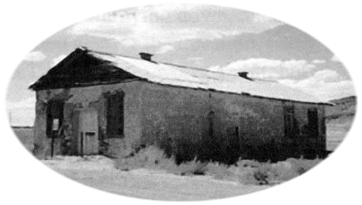
by Sharon Hall | Aug 26, 2014 | Digging History Magazine, Ghost Town Wednesday
Cloverdale is believed to have been established sometime in the 1880’s. On May 2, 1882 The Critic (Washington, D.C.) had a story about an Indian fight at Cloverdale between Apaches and the Sixth Cavalry, led by Captain T.C. Tupper. One soldier was killed in...
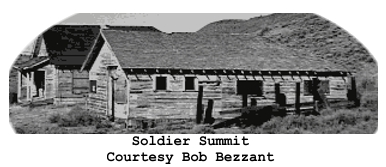
by Sharon Hall | Aug 20, 2014 | Digging History Magazine, Ghost Town Wednesday
Today’s ghost town was both the name of a Wasatch Mountain pass in Utah and the town which was founded at the top of the pass early in the twentieth century. In 1776 the area was discovered by Francisco Atanasio Domínguez and Silvestre Vélez de Escalante, Franciscan...
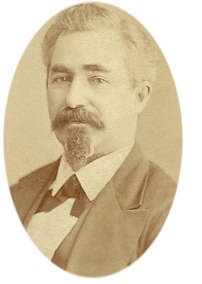
by Sharon Hall | Aug 13, 2014 | Digging History Magazine, Wild West Wednesday
Historical accounts vary as to whether today’s Wild West character came by his name via the middle name of “Xavier” or it was a family nickname, or he just adopted “X” as his name after becoming a well-known member of the Montana Vigilantes. Following the big 1863...