
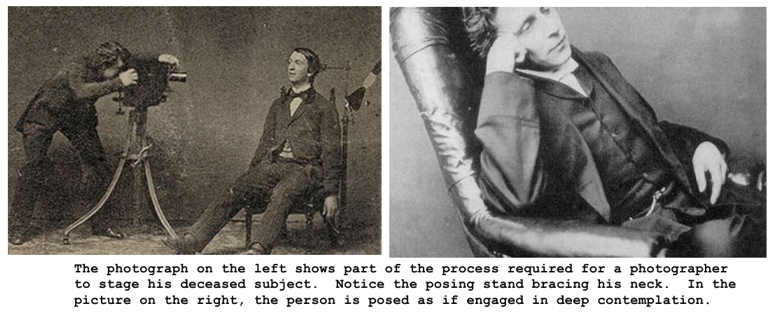
Today it might sound creepy, but post-mortem pictures were not uncommon, especially during the Victorian era. I’m not talking about taking pictures of the dearly departed in their casket – that is practiced even today as a way to have closure when a loved one passes. The term used for the practice is “memento mori”, which in Latin means “remember death.”
If you’ve seen pictures taken in the 1800s that looked at little “odd” or “stiff”, chances are the picture was taken after the person had passed away. We have to remember, too, that photography in the 1800’s was very (very) different than the instant world we live in today.
Before 1839, only people who were well-off enough to afford it had their portraits painted. Following the invention of the daguerreotype in 1839, more people could afford a photograph, although taking the photograph was hardly a “snap” in those days. Because of the longer exposure times required in the early days of photography, subjects would have to remain still for several minutes to ensure a blur-free photograph.
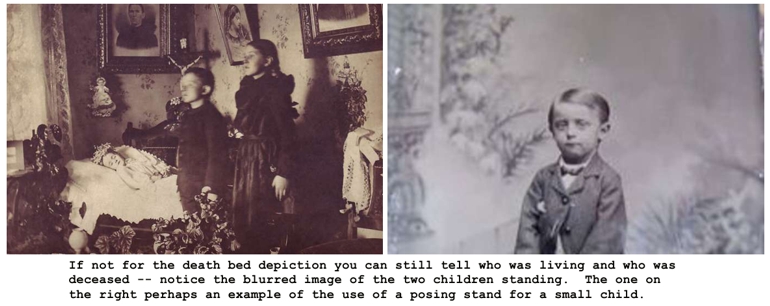
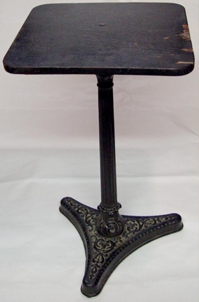 Sitting still might be less of a problem for adults, but imagine requiring a squirmy child to sit still for up to thirty minutes. Photographers in the nineteenth century often employed the use of stands or tables for their subjects to lean against. One device called a “Brady stand” was made of cast iron and height-adjustable.
Another device called a “posing stand” could be employed to provide even more stability to the 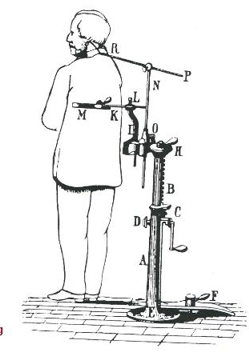 subject (dead or alive) allowing them to stand for extended periods of time. This particular device was also height-adjustable and provided bracing in both the neck and back areas. Just something to think about the next time you look through a bunch of old pictures of your ancestors – and remember NOTHING was as easy and quick as it is today.
Several years ago, I ran across an interesting article at Answers.com and the pictures posted below were part of the article, although I’m uncertain as to where they originated. They are quite interesting, providing insight into the techniques employed by these photographers and instilling an appreciation (even awe) for their skills (and patience!). These types of photographs, of course, are not likely to be taken these days, but I found the history behind them fascinating.


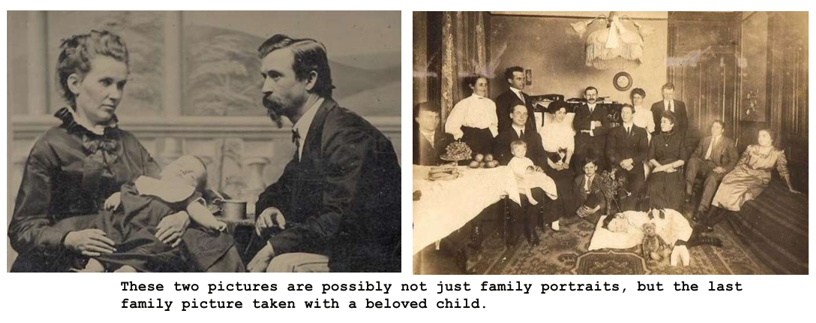
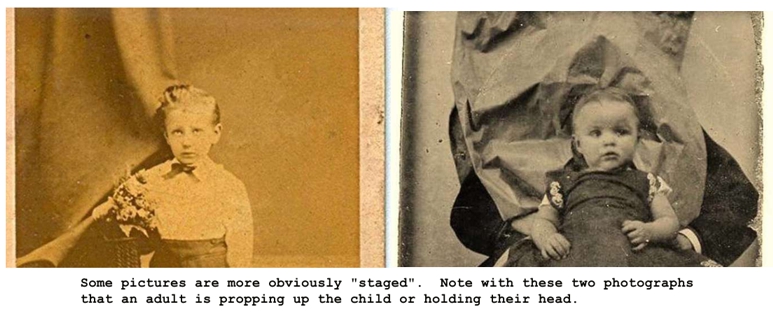
Like me, you may be thinking of taking a closer look at some of those old family pictures!
Thanks for stopping by! Please consider subscribing to Digging History Magazine. The current series features the history of individual states and how to find the best historical and genealogical records. Purchasing a subscription entitles you to subscriber benefits (20% off all services, including custom-designed family history charts) AND a chance to win your very own custom-designed family history chart! Details here (or click the ad below).

Footnotes: